Privacy can make a home feel calmer, safer, and far more comfortable. Whether you live in a busy neighborhood, on a corner lot, or close to homes with direct sightlines into your yard, a lack of privacy can affect how often you use your outdoor space and how relaxed you feel inside it. The good news is that improving privacy does not always require a complete property makeover. In many cases, a series of smart, targeted upgrades can make a major difference.
The best privacy improvements do more than block views. They help define boundaries, improve security, reduce distractions, and make outdoor areas more enjoyable to use. Some solutions are structural, like fences and gates. Others come from thoughtful landscaping, better planning, and choosing the right materials for long-term performance.
Start by Pinpointing Where the Privacy Problems Really Are
Before investing in any upgrades, walk around your property and identify exactly where privacy feels weakest. Some homes need better screening along the backyard fence line. Others have bigger issues at the front entry, side walkway, or patio area. The more specific you are about the problem, the easier it is to choose the right solution.
Look at your home from multiple angles. Stand in the yard, look out from the windows, and notice what neighboring homes, sidewalks, or streets can see most clearly. Think beyond just direct visibility. Privacy can also involve noise, foot traffic, and whether a space feels exposed even if it is technically enclosed.
For many homeowners, fence installation becomes the first major step because it creates a defined perimeter and gives the property a stronger sense of separation. But even if you know you want fencing, it helps to understand what kind of privacy you actually need before choosing the height, material, and style.
During your evaluation, pay attention to:
- Areas where neighbors have direct sightlines
- Patios or decks that feel too exposed
- Open sections of yard near the street
- Side paths with little boundary definition
- Windows that face shared spaces
- Outdoor areas you avoid because they feel too visible
Once you know where the weak points are, you can prioritize your spending and avoid overbuilding in places that do not need major changes.
Choose a Boundary Solution That Fits Your Property
Not every property needs the same kind of enclosure. Some homes benefit from a full privacy fence around the backyard, while others need only partial screening around certain living areas. The shape of the lot, local regulations, neighborhood style, and how you use the yard should all influence the final plan.
A reputable fence company can help evaluate these factors and recommend options that make sense for your home. For example, a narrow side yard may need something different from a wide rear property line. A family with pets may need a fully enclosed layout, while another homeowner may care more about screening a patio than securing the entire yard.
When comparing options, think about:
- Whether you want full enclosure or targeted privacy
- How visible the home is from the street
- Whether you need privacy for entertaining, pets, or quiet use
- How the fence will affect curb appeal
Fencing works best when it feels integrated with the property rather than added as an afterthought. The right boundary solution should improve privacy while still fitting the scale and style of the home.
Pick Materials That Give You Privacy Without Constant Upkeep
Once you know where you want added privacy, the next decision is material. This affects not only how the finished project looks, but also how well it holds up over time and how much maintenance it requires. If you want a privacy upgrade that stays attractive with minimal effort, material choice matters a lot.
Vinyl fencing is a popular option for homeowners who want consistent screening and low maintenance. It typically resists rot, does not need painting, and can provide a clean, finished appearance for many years. For busy households or owners who do not want to deal with regular sealing and staining, that can be a major advantage.
At the same time, not all fencing materials create the same level of privacy. Open styles may define a boundary but do little to block views. Solid panels usually provide the most seclusion, while semi-private styles can soften the look without fully closing off the yard.
Before choosing materials, think about:
- How much visual screening you want
- Your climate and weather exposure
- Whether you prefer a modern or traditional look
- The long-term cleaning and upkeep involved
A privacy feature only feels easy if it remains easy to live with. Materials that look great on day one but become high-maintenance chores later may not be the best fit for your home.
Focus on Entry Points, Not Just the Fence Line
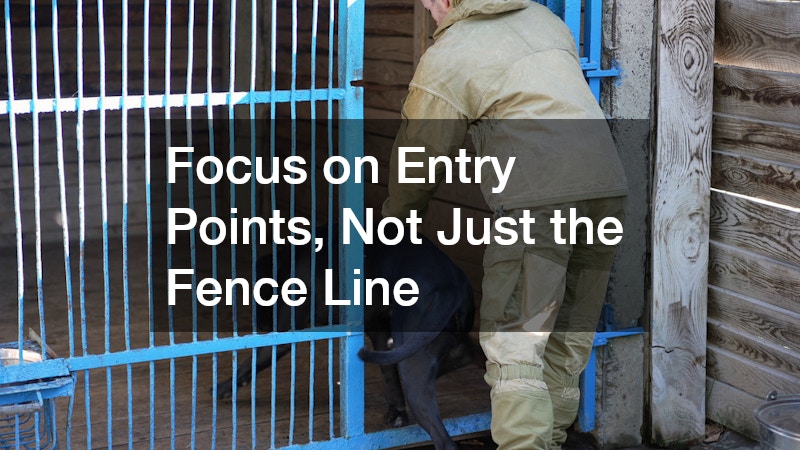
Many homeowners think first about the backyard when they want more privacy, but the most exposed part of the property is often the entry area. Side yards, driveways, and front walkways can leave the home feeling open even when the backyard is enclosed. Strengthening privacy at these transition points can make the whole property feel more secure and more intentional.
Gate installation is one of the simplest ways to improve this. A well-placed gate can limit direct visibility into side yards, control access, and create a stronger sense of separation between public and private areas. Gates can also help define where guests should enter, which adds both function and visual order.
When planning a gate, consider:
- Whether it will be used daily or only occasionally
- How it will line up with walkways and fences
- Whether it needs to provide full screening or partial visibility
- How easy it will be to open, lock, and maintain
Good entry planning can make a surprisingly large difference. Even a modest gate can turn an exposed side passage into something that feels private, secure, and better connected to the rest of the home.
Make Privacy Features Feel Intentional, Not Harsh
Privacy improvements work best when they look like part of the property’s design rather than a reaction to a problem. That is especially important near the front of the home, where privacy and curb appeal need to work together.
A custom entry gate can be a great example of this balance. It adds a layer of screening and control, but it can also improve the look of the home by creating a more finished and cohesive entrance. The shape, material, and detailing of the gate can make it feel like an architectural feature instead of just a barrier.
This same principle applies to privacy design more broadly. Solid fencing, screening panels, and entry features should feel proportionate to the house and lot. The goal is not to make the property look defensive. It is to make it feel more comfortable and more complete.
Ways to make privacy features look polished include:
- Matching colors and finishes to the home exterior
- Using clean lines that fit the architecture
- Combining solid elements with softer landscaping
- Choosing hardware and trim details carefully
A thoughtful design feels welcoming while still creating separation. That is usually what homeowners want most.
Soften Hard Boundaries With Greenery
Structural barriers provide strong privacy, but they can feel harsh if they stand alone. Adding plants around fences, gates, and exposed edges helps soften the look and makes the home feel more natural and inviting. In some cases, landscaping also adds another layer of screening that improves privacy beyond what a fence alone can do.
Tree services can be useful when you want to improve privacy with existing trees or prepare the yard for new planting. Mature trees may already provide some screening, but they may need shaping, cleanup, or repositioning of surrounding growth to work more effectively.
Greenery can improve privacy by:
- Softening the appearance of fencing
- Filling gaps near corners or edges
- Creating layered screening around patios
- Reducing the visual impact of neighboring structures
Planting works especially well when combined with structural boundaries. A fence may provide the main barrier, while shrubs, trees, and grasses make the area feel less rigid and more like a designed outdoor space.
Use Professional Tree Guidance for Better Long-Term Results
Trees can be one of the best privacy tools on a property, but they need to be managed carefully. The wrong planting location, poor trimming, or overcrowding can create future problems with visibility, root spread, and maintenance. That is why it often helps to get professional input before relying too heavily on trees for privacy.
An arborist can help determine whether existing trees are healthy, whether they can be shaped for better screening, and what species make sense if you plan to add more. This matters because fast-growing trees may seem appealing at first, but they can become maintenance-heavy or structurally weak over time.
Professional tree guidance is especially helpful when:
- Large trees are close to fences or structures
- Branches affect sightlines into patios or windows
- You want privacy without losing too much light
Smart tree planning creates privacy that gets better with time instead of more difficult to manage. It also helps protect the health of the landscape as a whole.
Hire the Right Installers for the Job
Even the best materials and design ideas can fall short if the installation is poor. Privacy projects often look simple on paper, but they can involve grading, drainage, property-line questions, and style decisions that affect how well the finished work actually performs.
Experienced fence installers can help with more than just placing posts and panels. They can advise on slope transitions, gate placement, layout accuracy, and how to avoid weak spots that reduce privacy. Their work affects not only the appearance of the fence, but also its stability and long-term durability.
When speaking with fence installers, ask about:
- Experience with privacy-focused projects
- How they handle uneven ground
- Whether they verify property lines
The quality of the installation matters just as much as the type of fence you choose. A poorly placed or poorly built privacy fence can leave awkward gaps, wear out quickly, or create maintenance issues that could have been avoided.
Use Open Metal Fencing Where Full Screening Is Not Necessary
Not every part of the property needs total visual blockage. In some areas, a lighter and more decorative boundary can make more sense, especially near front yards, gardens, or sections where you want security and definition without a closed-in look.
An aluminum fence company may be worth considering for these situations. Aluminum fencing is often chosen for its clean appearance, durability, and lower visual weight. While it does not provide full privacy on its own, it can work well when paired with landscaping layers or used in parts of the property where full screening is unnecessary.
This approach is useful when you want to:
- Define front yard boundaries
- Add security without creating a heavy look
- Maintain openness near attractive views
Mixed-material strategies can be very effective. A solid privacy fence may work best in the backyard, while a lighter decorative option suits the front or side yard better.
Think About Daily Use Before You Build
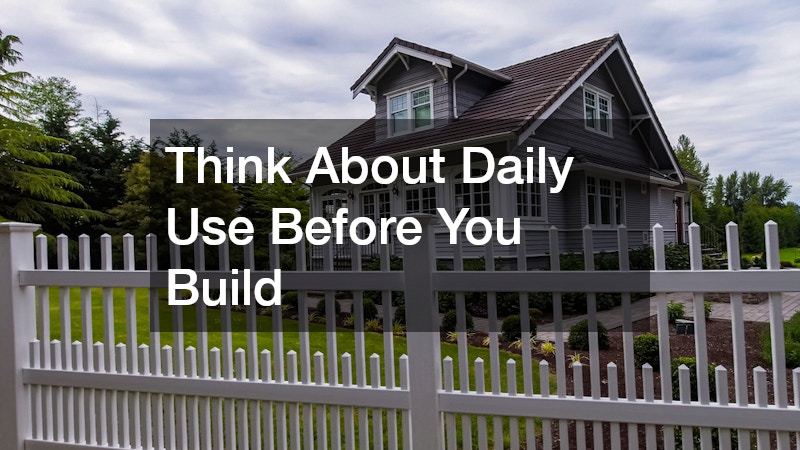
A privacy upgrade should make your home feel easier to enjoy, not harder to manage. Before committing to fencing, gates, or heavy planting, think about how the finished space will function every day. The most successful privacy plans support movement, maintenance, deliveries, pets, and normal outdoor routines.
For example, fence installation may solve visibility issues, but it can also create challenges if access points are poorly placed. Fencing that looks great on a plan may become frustrating if it blocks equipment access, complicates garbage pickup, or creates narrow paths that are difficult to use.
Before building, think through:
- How people will move in and out of the yard
- Whether children or pets need secure enclosure
- How lawn care and maintenance equipment will enter
The right plan balances seclusion with function. A home should feel more protected and more comfortable after the upgrade, not more complicated.
Adding privacy to your home does not have to mean turning the property into a fortress. In most cases, the best results come from thoughtful, well-matched improvements that solve specific problems while still keeping the home attractive and usable. Fences, gates, landscaping, and tree planning can all work together to create a stronger sense of comfort and separation.