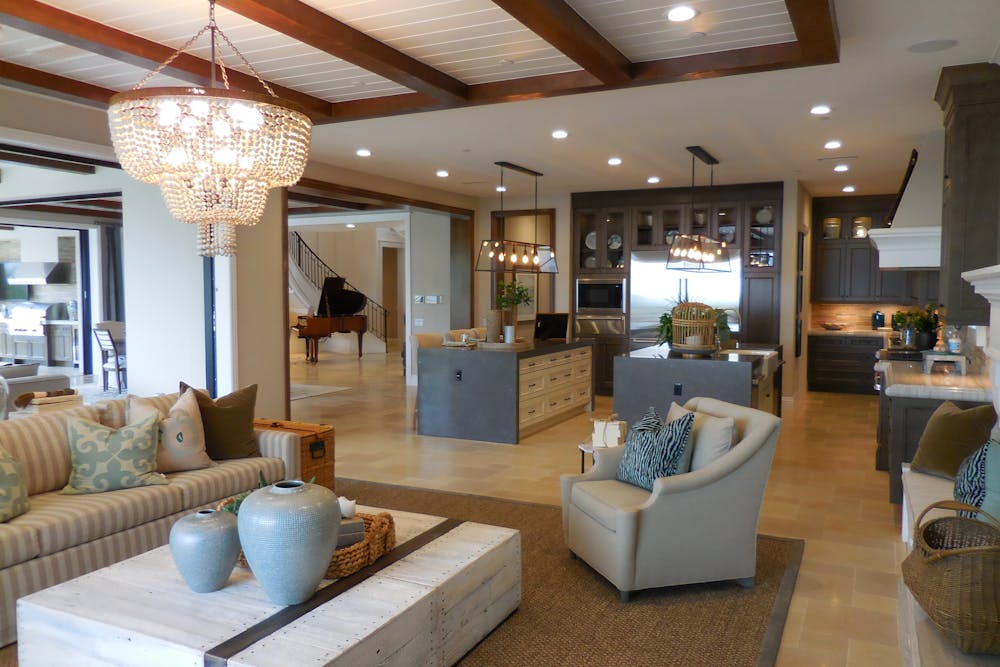
- Understanding different interior design styles helps you create a cohesive and visually appealing home.
- Choosing a style should be based on your lifestyle, space, and personal preferences—not just trends.
- Popular styles like modern, minimalist, Scandinavian, and traditional each offer unique benefits.
- Mixing interior design styles is possible when you maintain a consistent color palette and balance.
- Functionality is just as important as aesthetics when designing your space.
- Planning ahead and setting a budget can prevent costly mistakes and design inconsistencies.
- Thoughtful use of furniture, lighting, and accessories brings your chosen style to life effectively.
Interior design plays a powerful role in shaping how your home feels, functions, and reflects your personality. From cozy and traditional to sleek and modern, the choices you make can influence your daily comfort and long-term satisfaction. However, with so many styles available, selecting the right one can feel overwhelming, especially if you’re starting from scratch.
This guide explores the most popular types of interior design and provides practical advice on how to choose the best style for your space. Whether you’re renovating, decorating a new home, or simply refreshing a room, understanding your options will help you make confident, well-informed decisions.
Why Understanding Interior Design Styles Matters
Choosing an interior design style is more than just picking furniture or colors—it’s about creating a cohesive environment that enhances your lifestyle. When you understand different styles, you gain the ability to combine elements effectively and avoid mismatched aesthetics. This knowledge helps you design spaces that feel intentional rather than accidental.
Another key reason to learn about interior design styles is efficiency. Knowing what you like reduces decision fatigue when shopping for furniture, décor, or finishes. Instead of second-guessing every choice, you can quickly identify items that align with your preferred look.
Lastly, a well-defined style can increase your home’s value and appeal. A thoughtfully designed space tends to look more polished and inviting, which is especially important if you plan to sell or rent your property in the future.
What Are the Most Popular Types of Interior Design?
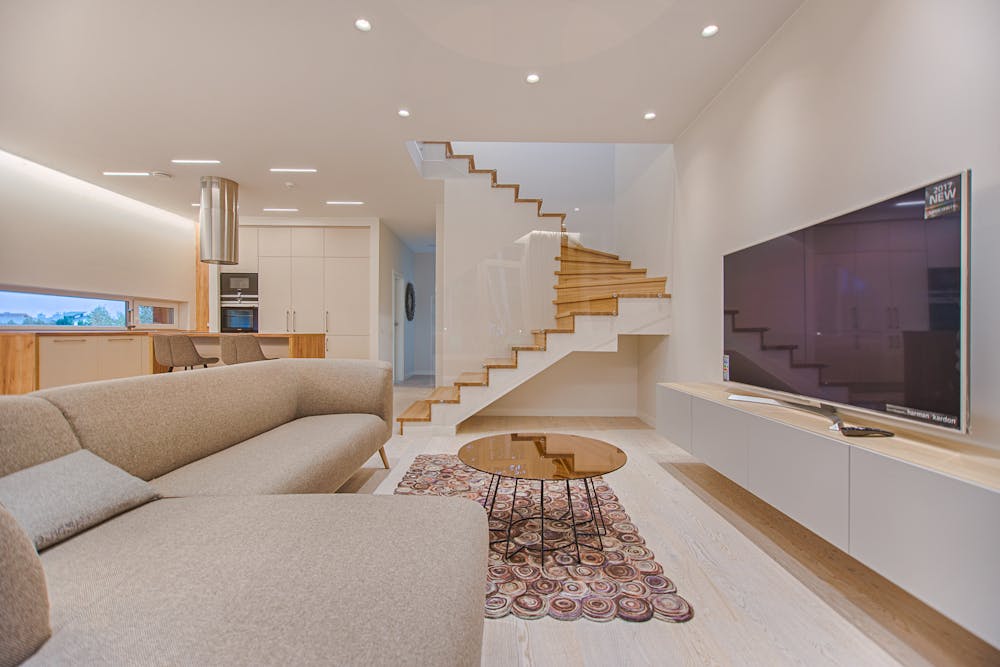
There are countless styles to explore, but some have remained consistently popular due to their versatility and timeless appeal. Understanding these core styles will give you a strong foundation to build upon. Each one has its own characteristics, materials, and color palettes that define its overall look.
While it’s not necessary to stick strictly to one style, identifying a primary direction can help guide your decisions. You can always incorporate elements from other styles to create a unique and personalized space. Below are some of the most widely recognized interior design styles.
Modern Interior Design
Modern design emphasizes simplicity, clean lines, and a neutral color palette. Furniture tends to be sleek and functional, with minimal ornamentation. This style often incorporates materials like glass, steel, and concrete.
It works well for homeowners who prefer a clutter-free environment. Open spaces and natural light are key features, making rooms feel larger and more airy.
Contemporary Interior Design
Contemporary design is often confused with modern design, but it is more fluid and ever-evolving. It reflects current trends rather than a specific historical period. Neutral tones are common, but bold accents are often used to add visual interest.
This style is ideal if you enjoy updating your space regularly. It allows flexibility and encourages experimentation with new textures and patterns.
Minimalist Interior Design
Minimalism focuses on the idea that less is more. It prioritizes functionality and eliminates unnecessary elements. Spaces are typically uncluttered, with a limited color palette and simple furnishings.
This style is perfect for those who value organization and simplicity. It creates a calm and peaceful atmosphere that reduces visual noise.
Traditional Interior Design
Traditional design draws inspiration from classic European décor. It features rich colors, ornate details, and elegant furniture. Symmetry and balance are key components of this style.
This approach suits homeowners who appreciate timeless elegance. It often includes decorative moldings, antique pieces, and layered textures.
Scandinavian Interior Design
Scandinavian design combines simplicity, functionality, and warmth. It uses light colors, natural materials, and cozy textiles to create inviting spaces. Clean lines are balanced with soft, comfortable elements.
This style works well in smaller homes or spaces with limited natural light. It promotes a sense of comfort without sacrificing style.
Industrial Interior Design
Industrial design is inspired by warehouses and urban lofts. It features raw materials such as exposed brick, metal, and wood. The color palette often includes neutral and earthy tones.
This style appeals to those who enjoy a rugged, unfinished look. It pairs well with open floor plans and high ceilings.
Bohemian Interior Design
Bohemian design is eclectic and free-spirited. It incorporates vibrant colors, layered patterns, and a mix of textures. Personal expression is at the heart of this style.
It’s ideal for creative individuals who enjoy mixing and matching décor. There are no strict rules, allowing for a highly personalized space.
How Do You Choose the Right Interior Design Style?
Selecting the right design style involves more than just aesthetics. It requires a thoughtful evaluation of your lifestyle, preferences, and the practical aspects of your home. By taking a structured approach, you can narrow down your options and make choices that truly suit your needs.
The key is to balance what you love with what works best for your space. A beautiful design is only effective if it enhances your daily living experience. Consider the following factors when deciding on a style.
Consider Your Lifestyle
Your daily habits should influence your design choices. For example, families with children may benefit from durable materials and easy-to-clean surfaces. On the other hand, someone who lives alone might prioritize aesthetics over practicality.
Think about how you use each room. A busy household might require flexible spaces, while a quieter home can focus on comfort and relaxation.
Evaluate Your Space
The size, layout, and natural lighting of your home play a significant role in determining what style will work best. Smaller spaces often benefit from minimalist or Scandinavian designs that maximize light and openness.
Larger homes can accommodate more elaborate styles like traditional or industrial. Pay attention to architectural features that can complement your chosen design.
Identify Your Preferences
Take note of the colors, textures, and materials you’re naturally drawn to. Look at inspiration from magazines, websites, or social media to identify patterns in your preferences.
Creating a mood board can help you visualize your ideas. This process makes it easier to refine your style and avoid conflicting elements.
Set a Budget
Your budget will influence your design decisions. Some styles require more investment due to materials or custom furniture. However, you can still achieve a desired look with cost-effective alternatives.
Prioritize key elements and allocate your budget accordingly. This ensures you achieve a cohesive design without overspending.
Can You Mix Different Interior Design Styles?
Many homeowners wonder if they need to stick to a single style. The truth is, mixing styles can create a more dynamic and personalized space when done correctly. However, it requires careful planning to maintain balance and cohesion.
Combining styles allows you to incorporate elements you love from different aesthetics. The goal is to create harmony rather than contrast that feels disjointed. With the right approach, mixed styles can look intentional and sophisticated.
Start with a Base Style
Choose one primary style as your foundation. This will guide the overall look and feel of your space. Additional styles can then be layered on top without overwhelming the design.
A clear base ensures consistency across rooms. It also makes it easier to select complementary pieces.
Use a Consistent Color Palette
A unified color scheme helps tie different styles together. Even if the furniture varies, consistent colors create a sense of continuity.
Stick to a limited palette and use accent colors sparingly. This prevents the space from feeling chaotic.
Balance Proportions and Textures
Mixing textures can add depth and interest to your design. However, it’s important to maintain balance so that no single element dominates the space.
Combine soft and hard materials thoughtfully. This creates a visually appealing and comfortable environment.
Common Mistakes to Avoid When Choosing Interior Design Styles
Even with the best intentions, it’s easy to make mistakes when selecting a design style. Being aware of common pitfalls can help you avoid costly errors and achieve better results. A well-planned approach ensures your space looks cohesive and functional.
Understanding what not to do is just as important as knowing what works. Avoiding these mistakes will save you time, money, and frustration.
Following Trends Blindly
Trends can be inspiring, but they don’t always suit your personal taste or lifestyle. Choosing a style solely because it’s popular may lead to dissatisfaction over time.
Focus on timeless elements that you genuinely enjoy. This ensures your home remains appealing even as trends change.
Ignoring Functionality
A beautiful space is not useful if it doesn’t meet your needs. Prioritizing aesthetics over practicality can result in discomfort and inconvenience.
Always consider how each design choice will impact your daily life. Functionality should never be compromised.
Overdecorating
Adding too many elements can make a space feel cluttered and overwhelming. It’s important to strike a balance between decoration and simplicity.
Choose meaningful pieces that enhance your design. Avoid filling every corner unnecessarily.
Lack of Planning
Jumping into design decisions without a clear plan can lead to inconsistencies. This often results in mismatched furniture and décor.
Take time to plan your layout, color scheme, and style direction. A well-thought-out approach leads to better outcomes.
Tips for Bringing Your Chosen Interior Design Style to Life
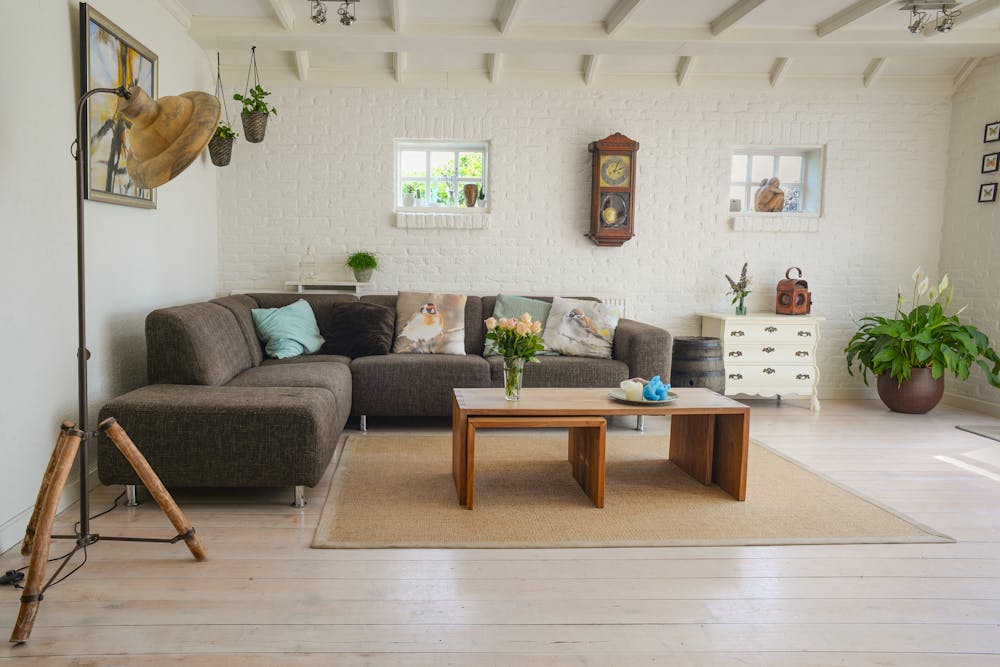
Once you’ve selected a style, the next step is implementation. Bringing your vision to life requires attention to detail and a strategic approach. From furniture selection to final touches, every element plays a role in achieving a cohesive look.
The process doesn’t have to be overwhelming. Breaking it down into manageable steps can make it more enjoyable and effective.
Choose Key Furniture First
Start with essential pieces such as sofas, tables, and beds. These items set the tone for the rest of your design.
Invest in quality pieces that align with your chosen style. This creates a strong foundation for your space.
Layer with Textiles and Accessories
Add depth and personality through textiles like rugs, curtains, and cushions. Accessories such as artwork and décor items can enhance your design.
Be mindful of balance and avoid overcrowding. Each piece should serve a purpose.
Focus on Lighting
Lighting plays a crucial role in setting the mood of a room. Use a combination of ambient, task, and accent lighting to create a well-lit space.
Choose fixtures that complement your design style. This adds both functionality and visual appeal.
Maintain Consistency
Consistency is key to achieving a cohesive look. Ensure that elements across different rooms complement each other.
This doesn’t mean everything has to match perfectly. Instead, aim for a harmonious flow throughout your home.
Conclusion: Finding the Perfect Interior Design Style for Your Home
Choosing from the many types of interior design can feel like a daunting task, but it becomes much easier with the right approach. By understanding the characteristics of different styles and evaluating your personal needs, you can create a space that reflects your personality and enhances your lifestyle.
Remember that there is no one-size-fits-all solution. Your home should be a reflection of who you are, combining comfort, functionality, and aesthetic appeal. Take your time, plan carefully, and don’t be afraid to experiment.
With thoughtful decisions and a clear vision, you can transform your home into a space that feels both beautiful and uniquely yours.