Severe weather shifts are no longer distant anomalies or problems for next season’s calendar. From sudden summer heatwaves that strain municipal grids to rapid winter freezes that drop temperatures by forty degrees in a matter of hours, our homes are constantly being put to the test. For most homeowners, the relationship with property maintenance is reactive. We wait for the rhythmic drip of a ceiling leak during a torrential downpour, or we notice the indoor air turning oppressive on a July afternoon before we ever consider looking at the mechanical systems keeping us safe.
Taking a reactive approach to home comfort is a gamble that carries a steep price tag. Emergency weekend service fees, prolonged periods of discomfort, and the stress of managing sudden structural failures can turn what should be a personal sanctuary into a source of constant anxiety. A home is a complex, interconnected ecosystem. What happens on the surface of your roof dictates how hard your indoor climate control has to work, and how well your exterior walls manage moisture determines whether your foundation stays secure.
Shifting from a mindset of crisis management to proactive preservation is the most effective way to guarantee year-round comfort and safety. By systematically evaluating the structural shell, the exterior drainage pathways, and the primary mechanical infrastructure of your property before the extreme seasons arrive, you can insulate yourself from both the elements and unnecessary financial strain. The following guide provides a comprehensive, practical strategy to fortify your living space from the outside in.
Fortifying the Roof Line and Exterior Infrastructure
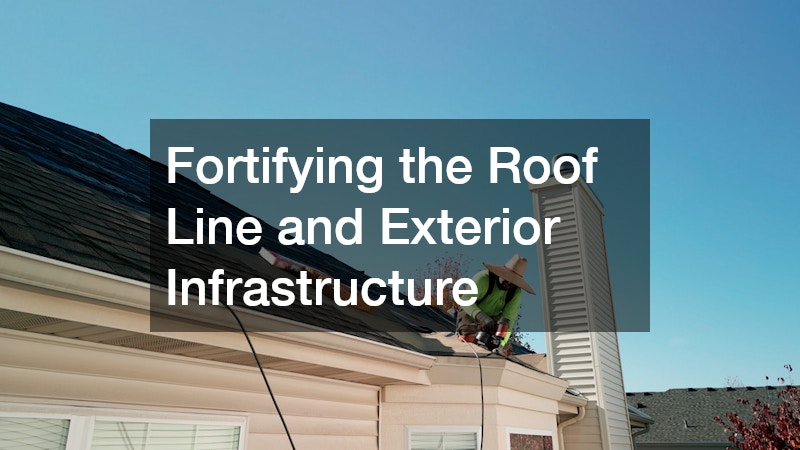
The primary line of defense against any severe weather event is the uppermost boundary of your home. When high winds, heavy rain, or accumulating snow loads strike, the structural integrity of your roof determines whether the interior of your property remains dry and secure. Regularly assessing the roof line for weaknesses and missing shingles is a foundational task that should be performed at least twice a year, ideally in the mild windows of spring and autumn.
To safely perform a visual inspection, start from the ground with a pair of high-powered binoculars, or carefully use a ladder to view the roof plane from the eave line. Look closely at the flashing around chimneys, dormers, and valleys, as these metal transitions are the most common failure points. Shingles that are buckled, curling at the edges, or entirely missing expose the underlying underlayment to rapid degradation. If you identify missing granules pooling in your gutters or notice bald spots on your asphalt shingles, arranging for timely roof repair can mean the difference between a simple patch job and an incredibly expensive structural restoration following a major storm. Water is patient, and a tiny compromise in your shingles will eventually manifest as a catastrophic ceiling stain.
Once water is successfully shed from the slopes of your roof, it must be managed correctly as it reaches the ground. This is where many homeowners experience hidden property damage. If your drainage systems terminate right at the base of your siding, thousands of gallons of water will saturate the soil directly adjacent to your foundation walls during a severe storm.
To prevent this hydrostatic pressure from cracking basement walls or flooding crawlspaces, ensure your downspouts are clear of leaves, twigs, and asphalt grit. Every downspout should feature a secure, clean attachment at the elbow and extend at least six feet away from the home’s foundation, channeling water toward a natural slope or a dedicated rain garden. Taking the time to clear blockages and extend these pathways guarantees that even the most intense seasonal downpours pass harmlessly away from your living space.
Maximizing Efficiency in Outdoor Living and Attached Spaces
Moving outward from the main structure, your exterior living areas and attached utility spaces require specialized attention before seasonal shifts occur. These zones are unique because they are directly exposed to ultraviolet radiation, freezing rain, and rapid temperature fluctuations, yet they directly impact how comfortable and efficient your indoor spaces remain.
When preparing your property for extreme weather, winterizing and upgrading your outdoor entertainment spaces should be high on your priority list. Traditional wood decks require annual staining, sealing, and scrubbing to prevent moisture from penetrating the wood fibers, freezing, and causing deep structural splits. Many modern homeowners are transitioning away from high-maintenance lumber toward more resilient materials. Utilizing composite decking for your outdoor living areas eliminates the risk of rot, splintering, and warping during intense winter freezes or humid summer months. Beyond its aesthetic appeal, this material withstands shifting weather cycles without requiring chemical treatments, ensuring your outdoor transitions remain safe, stable, and low-maintenance regardless of what the local forecast predicts.
While the deck handles the elements completely uncovered, attached structures like your garage act as a critical buffer zone for your main living areas. Insulating and sealing the largest thermal leak in your house—the overhead garage door—is a frequently overlooked step in home comfort. Because an attached garage shares structural walls with your kitchen, living room, or upstairs bedrooms, a freezing or scorching garage acts as a massive heat sink, constantly pulling energy out of your home.
- Inspect the flexible rubber weatherstripping along the bottom and sides of the door, replacing any sections that have cracked or flattened over time.
- Check the alignment of the safety sensors and track brackets to ensure the door closes completely flush with the floor, preventing icy drafts or pests from finding refuge inside.
- If your garage doors lack built-in insulation, consider retrofitting the interior panels with rigid foam core inserts to create a reliable thermal barrier that stabilizes the temperature of the entire structure.
Restoring and Sealing Specialized Structural Elements

Every home features unique architectural details, accent pieces, or protective coatings that require specialized care before the seasons change. Whether you have custom molded trim pieces, modern architectural panels, or unique waterproof basins on your property, these specialized synthetic materials can suffer from stress fractures when exposed to dramatic temperature swings.
Mending specialized shells, accents, and waterproof coatings requires a keen eye during your seasonal walkarounds. Over time, UV exposure and building settling can cause hairline fractures in protective resin coatings, architectural fiberglass, or composite exterior molds. If moisture gets trapped inside these micro-cracks and subsequently freezes, the expanding ice can delaminate the material, causing significant cosmetic and structural ruin. Performing minor fiberglass repair on these components using targeted marine-grade epoxy or specialized patch kits allows you to seal out moisture before the winter freeze arrives. Keeping these non-traditional materials watertight preserves the sharp curb appeal of your modern home while preventing subtle leaks from migrating into the structural framing behind your walls.
Optimizing Mechanical Climate Control Infrastructure
When the exterior of the home is sealed and secured, your attention must turn inward to the mechanical heart of your property. Your heating and cooling systems are responsible for maintaining a stable, livable environment when the outdoor conditions become unlivable. However, running these systems continuously during peak seasonal shifts without prior preparation is a recipe for premature mechanical failure.
The most effective way to guarantee operational reliability is by partnering with professionals for seasonal system audits. Instead of waiting for your climate control to fail during the hottest week of July or the coldest night of January, schedule a comprehensive maintenance visit during the mild spring or autumn months. A licensed HVAC company can perform essential diagnostic tasks that lie beyond the scope of DIY maintenance, such as checking electrical contactors, testing safety limit switches, measuring fan motor amperage, and ensuring refrigerant loops are operating under optimal pressure. This preemptive calibration maximizes system efficiency, extends the lifespan of your expensive machinery, and gives you complete peace of mind that your home can handle sudden weather extremes.
When winter approaches, the priority shifts directly to restoring warmth and efficiency before the first hard freeze arrives. A furnace or heat pump that has sat idle for six months will often have accumulated dust on the burners or electrical components, leading to inefficient operation or unpleasant odors upon startup.
- Change Air Filters Regularly: Swap out your return air filters every 30 to 90 days, depending on whether you have pets, to prevent restricted airflow from overheating your heat exchanger.
- Test the System Early: Turn your thermostat to heating mode in October to verify that the system ignites cleanly and cycles off correctly before you actually need it.
- Address Delayed Needs: If you noticed uneven heating or strange clanking noises during the previous winter, immediately book professional heating repair to swap out worn components like failing inducer motors or cracked igniters before they leave you stranded in sub-zero weather.
Conversely, preparing for intense summer heatwaves requires a parallel set of precautions for your cooling system. Restoring peak airflow and cooling for intense heatwaves involves clearing away the weeds, leaves, and lawn debris that inevitably accumulate around your outdoor condenser unit over the winter. The outdoor coil needs unobstructed airflow to shed the heat it extracts from your indoor air; if it is choked by dirt or overgrown landscaping, the entire system will run longer, consume more electricity, and short-cycle. If your system struggles to maintain your target temperature on hot afternoons, or if you notice ice forming on the copper refrigerant lines, prompt ac repair services can identify underlying issues like a failing capacitor or a slow refrigerant leak, saving you from a total system breakdown when you need cooling the most.
Upgrading Utility Systems and Overcoming Infrastructure Strain
As homes age, there comes a point where simple maintenance and periodic repairs are no longer sufficient to offset the efficiency losses of outdated equipment. When severe weather hits, ancient utilities are pushed past their breaking point, resulting in sky-high utility bills and a lack of reliable comfort. Modernizing these critical systems before they suffer a catastrophic failure is a smart investment in your property’s long-term resilience.
Evaluating when it is time to move on from an aged cooling unit requires looking closely at both the age of your equipment and your recent repair history. If your cooling system is more than fifteen years old, relies on obsolete refrigerants, or has required multiple service calls over the past two seasons, continuing to pour money into fixes is often a case of diminishing returns. Investing in a timely ac replacement introduces modern inverter technology, variable-speed blowers, and significantly higher efficiency ratings to your home. This upgrade not only drastically lowers your summer electricity consumption but also ensures your home can easily maintain a steady, crisp indoor temperature during prolonged, record-breaking heatwaves.
Simultaneously, we must consider the utility responsible for one of our greatest daily comforts: hot water. Maintaining consistent hot water against freezing intake temperatures is an incredible challenge for your plumbing infrastructure during the winter. In the colder months, the water entering your home from municipal pipes or private wells can drop to near-freezing temperatures, forcing your system to work twice as hard to bring that water up to a comfortable temperature.
If your system is bogged down by years of mineral scale and sediment buildup, the heating elements or burners will overheat and fail under this increased winter workload. Scheduling a timely water heater repair to flush the tank, replace a degrading anode rod, or swap out failing thermostats ensures you won’t be greeted by an icy shock during your morning shower when the outdoor temperatures are at their lowest.
The Lasting Rewards of Seasonal Readiness
True home comfort is never the result of a single, monumental repair; it is achieved through a series of thoughtful, deliberate maintenance steps that respect the home as an interconnected system. When you take the time to clear your drainage pathways, secure your roof line, reinforce your outdoor materials, and calibrate your mechanical infrastructure, you are doing far more than preventing immediate breakdowns. You are creating a durable, highly efficient environment that keeps your family safe, minimizes your monthly utility expenditure, and protects your single largest financial asset.
As the seasons continue to shift and weather patterns become increasingly unpredictable, the value of a truly resilient home cannot be overstated. By stepping outside, evaluating your property with a critical eye, and addressing minor vulnerabilities before they escalate into emergencies, you transition from being at the mercy of the elements to being completely in control of your indoor environment. Take the initiative this week to audit your property, establish a seasonal checklist, and enjoy the profound peace of mind that comes from knowing your sanctuary is ready for whatever nature brings to your doorstep.