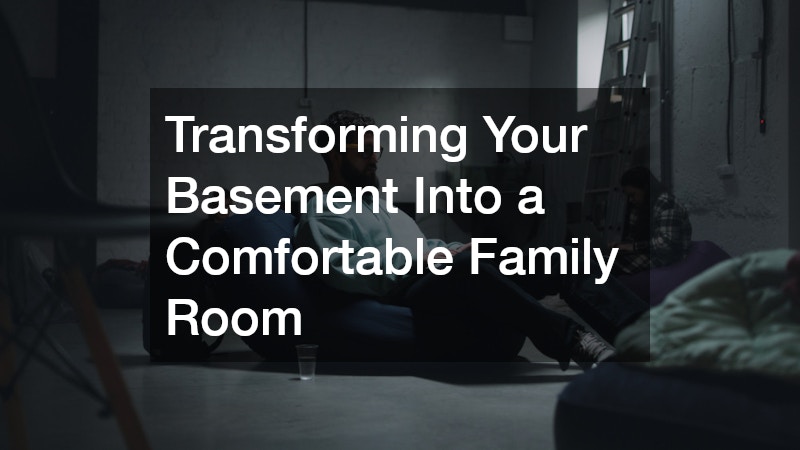
For many homeowners, the basement is often overlooked, becoming a repository for seasonal decorations and unused items. However, with its potential to be transformed, this space can become a vibrant hub for family activities like movie nights, gaming, reading, and entertaining.
Transforming a basement into a living space is a smart, cost-effective investment. Unlike home additions that require zoning permits and foundational changes, a basement renovation enlarges your home’s livable area without altering its exterior. The natural insulation of the space also provides acoustic separation, ideal for a family room. A comfortable basement transformation involves more than surface changes; it requires addressing structural, mechanical, and environmental challenges. By following a strategic sequence, your basement can become a safe, warm, and inviting retreat equivalent to any room above ground.
Setting the Foundation: Moisture, Safety, and Structural Integrity
Before picking out paint colors or ordering a plush sectional sofa, you must evaluate the structural health of your lower level. Subterranean environments are subject to immense hydrostatic pressure from the surrounding soil, which can compromise raw materials over time. Initiating construction over an unstable foundation is a recipe for costly repairs down the road.
Begin by conducting a rigorous inspection of the raw concrete slab and perimeter walls. Look closely for signs of settling, shifting, or structural fatigue. It is common to find minor hairline cracks in aged concrete, but deep horizontal fissures or bowing walls indicate a need for professional intervention.
- Leveling the Ground: Concrete slabs can settle unevenly over the decades, creating a tripping hazard and making it impossible to install smooth finish flooring. Utilizing a specialized foam concrete service is an excellent, non-invasive way to lift, stabilize, and level sunken sections of the slab by injecting high-density polymers beneath the surface.
- Inspecting Wall Plumb: Use a long spirit level to ensure the foundation walls are straight. Any significant bowing must be structurally reinforced with carbon fiber straps or steel beams before framing begins.
- Checking Overhead Clearance: Measure the distance from the floor slab to the bottom of the joists. Ensure your planned ceiling height complies with local building codes, which typically require at least seven feet of clearance in habitable rooms.
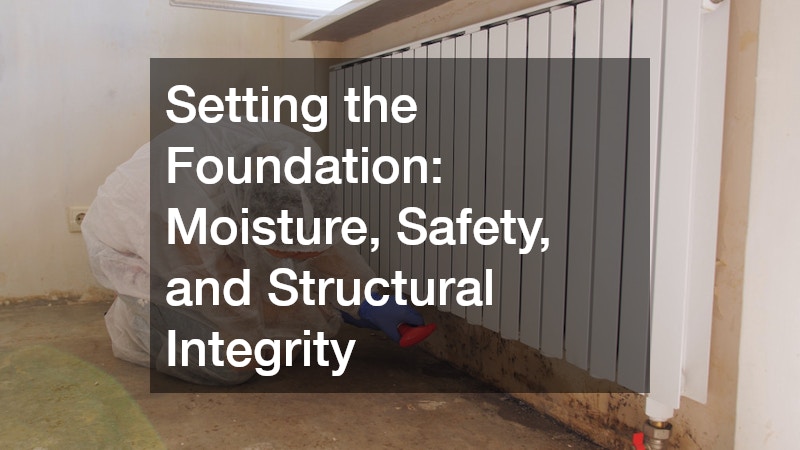
Once structural stability is confirmed, environmental health must take top priority. Because basements sit below the water table, they are naturally prone to humidity and water intrusion. Unchecked moisture leads to structural rot and ruins expensive electronics, drywall, and furniture. Even worse, persistent dampness creates a breeding ground for biological contaminants that ruin indoor air quality.
- Identifying Hidden Moisture: Look for efflorescence—a white, powdery crystalline deposit left on concrete walls by mineral-rich water. This is a definitive sign that moisture is migrating through your foundation.
- Professional Remediation: If you smell a persistent musty odor or discover patches of dark growth on raw surfaces, hiring professional mold remediation services is a vital first step. Experts can safely isolate the area, neutralize active spores, and treat the masonry to ensure the air your family breathes is completely safe.
- Exterior Management: Ensure your home’s outdoor drainage system is functioning perfectly. Clean your gutters, extend downspouts at least six feet away from the foundation, and grade the soil so that water naturally flows away from the house rather than pooling against the basement walls.
The Prep Work: Clearing and Pre-Treating the Space
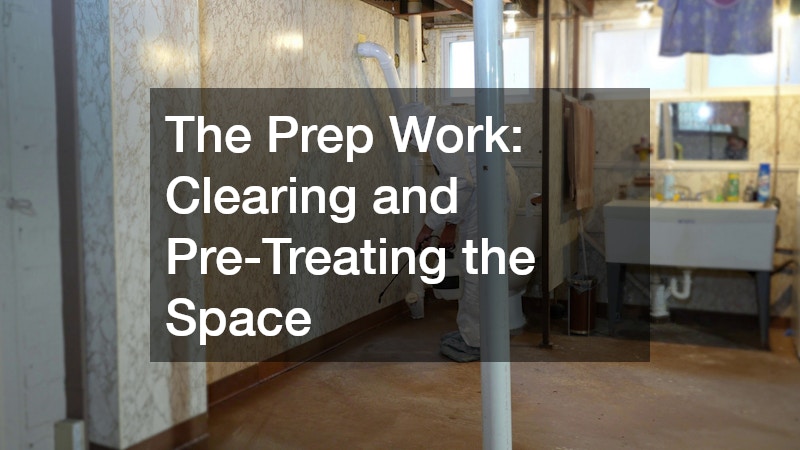
With structural and moisture assessments complete, the next phase involves prepping the physical environment. A clean, sterile substrate is required for framing lumber, insulation, and adhesives to bond correctly. This phase is all about deep cleaning and addressing any hidden variables that could compromise your walls once they are closed up.
Accumulated grime, old efflorescence, oil spills, and crumbling masonry sealants must be thoroughly stripped away. A pristine concrete surface allows modern vapor barriers and framing track adhesives to adhere with maximum strength.
- Debris Removal: Purge the space completely. Rent a roll-off dumpster to dispose of old, damaged building materials, abandoned items, and non-essential storage.
- Deep Cleaning Concrete: For walk-out layouts or areas with heavy masonry staining, deploying professional power washing equipment can strip away embedded dirt and loose debris rapidly. It is crucial to allow the space to dry completely with industrial fans running for several days after this process to avoid trapping any moisture inside.
- Sealing Masonry: Apply a high-quality, commercial-grade silane or siloxane-based penetrating sealer to the bare concrete walls. This creates an invisible hydrophobic barrier that stops vapor transmission while allowing the concrete to breathe.
Beyond cleanliness, you must consider the biological ecosystem of an unfinished lower level. The dark, quiet, and slightly damp conditions of a raw basement provide an ideal habitat for various pests. Once you install insulation and drywall, any insects or rodents nesting in the nooks and crannies will be permanently sealed inside your walls, where they can cause silent, extensive damage.
- Exterminating Existing Colonies: Bringing in certified exterminators to inspect the perimeter, floor joists, and sill plates is highly recommended. They can identify subtle signs of wood-boring insects, spiders, or rodents and apply targeted, long-lasting preventative treatments.
- Sealing Entry Points: Check every square inch of the sill plate—the wooden beam that sits directly on top of the concrete foundation—for gaps. Use a combination of expanding polyurethane foam and steel wool to plug any openings where pests could enter from the outside.
- Protecting the Framing: Consider using pressure-treated lumber for any framing studs that make direct contact with the concrete floor, as this wood is naturally resistant to both moisture rot and insect damage.
Behind the Drywall: Essential Mechanical Infrastructure
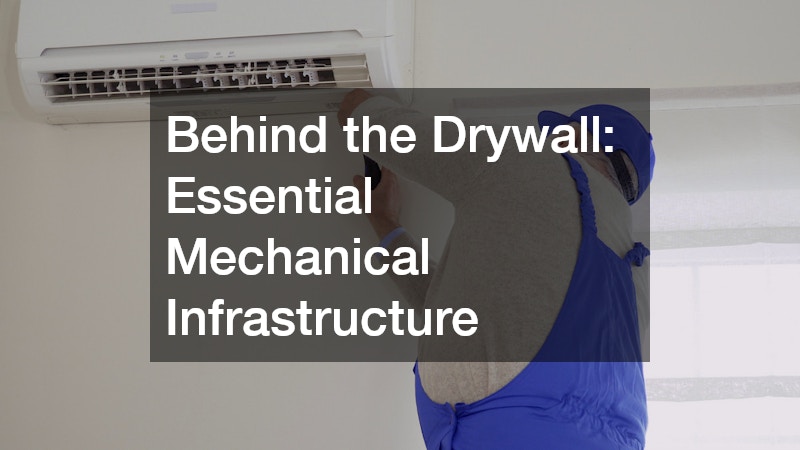
A comfortable family room must feel as warm, bright, and climate-controlled as your upstairs living room. Achieving this comfort requires upgrading the mechanical infrastructure hiding behind the finished walls. This stage involves planning for proper thermal regulation and a robust electrical distribution network.
Basements are notoriously difficult to heat and cool uniformly because they are surrounded by earth that maintains a cool, constant temperature. Standard upper-level heating systems rarely account for the unique load requirements of a subterranean space, often leaving the lower level feeling like an icebox in the winter.
- Dedicated Climate Control: Relying solely on your existing home furnace can result in uneven temperatures. Investing in a dedicated hvac installation, such as a ductless mini-split heat pump system, allows you to control the family room’s temperature independently for optimal energy efficiency and comfort.
- High-Performance Insulation: Standard fiberglass batts can sag and absorb moisture over time. Opt for closed-cell spray foam or rigid foam board insulation directly against the concrete walls to provide a continuous thermal break and a high R-value.
- Combustion Safety: If your water heater or furnace is located in the basement, ensure it has an adequate supply of combustion air and is properly vented to the outdoors. Install dual carbon monoxide and smoke detectors immediately.
Once the climate strategy is set, your attention must turn to the electrical layout. A modern family room serves as a high-demand tech zone, requiring power for large-screen displays, multi-speaker sound systems, gaming consoles, smart ambient lighting, and charging stations. Attempting to run these components on a few pre-existing utility outlets will overload your circuits.
- Designing a Comprehensive Plan: Map out your furniture layout before running wires. Ensure there are plenty of outlets along every wall segment, incorporating dedicated circuits for high-draw items like a home theater amplifier or a beverage refrigerator.
- Hiring Professionals: Partnering with licensed electricians is essential to bring the space up to modern electrical codes. They will safely tie new circuits into your main panel, calculate the total electrical load, install arc-fault circuit interrupters, and position convenient ground-fault circuit interrupter outlets wherever moisture might be present.
- Layered Lighting Schemes: Avoid a harsh, clinical feel by planning for three layers of lighting. Incorporate recessed LED can lights in the ceiling for general illumination, dimmable wall sconces for movie nights, and task lighting near reading chairs or desks.
Plumbing and Architecture: Layout and Natural Light
To maximize the utility of your new family room, you may want to add convenient amenities like a half-bathroom, a wet bar, or a small kitchenette. Integrating these features prevents family members and guests from constantly running upstairs for refreshments or restroom breaks. However, routing plumbing below grade presents distinct mechanical hurdles.
Standard residential plumbing relies entirely on gravity to carry wastewater down and away from the home. Because a basement floor sits below the main sewer line leaving the house, water cannot flow away naturally on its own.
- Upward Waste Management: Adding a bathroom or sink requires specialized engineering. Consulting a licensed plumbing contractor allows you to safely install a sewage ejector pump system or a macerating toilet, which grinds waste and pumps it vertically up to your main sewer line.
- Sump Pump Reliability: Inspect your existing sump pump basin. Upgrading to a heavy-duty pump with a battery backup system ensures your newly finished family room remains completely protected during heavy storms and sudden power outages.
- Pipe Insulation: Wrap all exposed cold water pipes in foam insulation sleeves before closing the ceiling. This simple step prevents condensation from dripping onto your new drywall ceilings and dampening the framework.
With the plumbing lines mapped out, you can focus on the architectural design of the space. The biggest psychological barrier to enjoying a basement is the lack of natural light. Strategic architectural modifications can banish the subterranean atmosphere, making the room feel bright, open, and organically integrated into the rest of the home.
- Meeting Safety Standards: Most local building codes strictly mandate that finished living spaces must feature a secondary means of escape in an emergency. Installing code-compliant egress windows ensures your family can exit safely while bringing substantial daylight into the space.
- Choosing High-Efficiency Glazing: Select double or triple-pane glass options with low-emissivity coatings to minimize thermal transfer, keeping the chilly outdoor air from creating drafts near your seating areas.
- Deepening Window Wells: Outdoors, utilize wide, light-colored window wells. This design reflects maximum sunlight down into the basement windows, instantly making the room feel larger and more welcoming.
Finishing Touches: Flooring, Aesthetics, and Comfort

The final phase of your transformation brings the aesthetic vision to life. This is where the structural, mechanical, and logistical preparation pays off, allowing you to select durable, beautiful materials that stand up to the unique demands of a subterranean environment.
Flooring choice is critical in a lower-level living space. Solid hardwood is highly susceptible to warping, buckling, and gapping when exposed to minor fluctuations in subterranean humidity. Fortunately, modern material innovations offer incredible alternatives that deliver both high style and rugged resilience.
- Resilient Surface Solutions: For a continuous, ultra-durable foundation, hiring a specialized epoxy flooring service is an outstanding choice. Modern epoxy formulas can be customized with beautiful metallic pigments, quartz flakes, or solid contemporary colors, creating a seamless, water-resistant floor that is effortless to clean and completely immune to moisture damage.
- Layering for Warmth: While an epoxy surface provides an impermeable barrier and a sleek look, you can inject cozy comfort by layering large, thick area rugs with premium pads underneath your primary seating zones. This gives you the softness of carpet with the flexibility of easy cleaning or replacement.
- The Big Picture View: Successfully executing a comprehensive basement remodeling project relies on selecting materials that balance visual warmth with structural utility. Using moisture-resistant drywall, mold-inhibiting primers, and durable floor finishes ensures your investment looks pristine for decades.
With the floor completed, you can move in the furniture and apply the final decor layers. The goal is to counteract the natural shadows of a lower level by using smart design principles that bounce light and evoke a sense of coziness.
- Optimizing the Palette: Paint the walls in soft, reflective neutral shades like warm whites, soft grays, or light creams. Save deep, bold colors for accent walls, throw pillows, and blankets to add visual depth without shrinking the room.
- Furniture Placement: Choose low-profile furniture to make the ceilings feel higher. Arrange your seating to maximize sightlines toward natural light sources and the main entertainment center.
- Acoustic Softening: Basements often feature hard concrete boundaries that reflect sound, causing echoes. Hang soft drapery panels, introduce fabric-upholstered furniture, and use acoustic canvas artwork to absorb sound waves, creating a balanced acoustic environment for movies and conversation.
Transforming an underutilized lower level into a comfortable, welcoming family room is a highly rewarding journey that significantly enhances your home’s daily utility. By systematically addressing structural integrity, moisture mitigation, insect prevention, climate control, and proper lighting, you can eliminate the traditional drawbacks of below-grade spaces. Bringing in skilled professionals for specialized mechanical and structural tasks ensures your renovation adheres to modern building codes and safety standards. With the proper preparation and thoughtful design choices, your new family room will quickly become the favorite gathering spot in the entire household, providing a cozy, durable sanctuary where your loved family can relax, play, and make lasting memories together for many years to come.