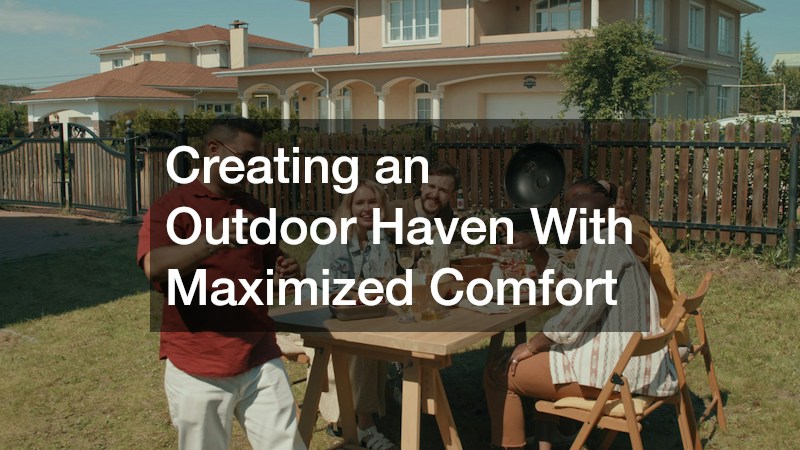
The concept of the residential backyard has undergone a dramatic transformation over the past decade. No longer viewed simply as a basic patch of grass reserved for weekend mowing or the occasional summer barbecue, the modern exterior space has evolved into a fully functional, luxurious extension of the home’s interior. Homeowners are increasingly recognizing the immense untapped potential lying just beyond their back doors, choosing to invest in environments that offer a seamless transition between indoor living and outdoor relaxation. Achieving true comfort outside, however, is not as simple as placing a few chairs on a lawn. It requires a harmonious blend of intentional design, effective climate control, strategic privacy measures, and the selection of high-quality materials built to withstand the elements. This article serves as a comprehensive, step-by-step guide to transforming any exterior area into a personalized, year-round sanctuary. By treating your exterior spaces with the same meticulous attention to detail as your interior living rooms, you can create an inviting atmosphere where family and friends will genuinely want to spend their time, regardless of the season.
Segment Your Yard by Activity to Improve Traffic Flow

Creating a successful exterior layout requires adopting the “outdoor room” concept. Just like your home’s interior is divided for sleeping, eating, and relaxing, your exterior square footage must be segmented to accommodate different activities without feeling cluttered. Visualizing your yard as a collection of interconnected rooms helps you establish a logical, free-flowing environment. To achieve this, consider the following strategies:
- Establish a primary dining zone: Place your main dining table in close proximity to your indoor or outdoor kitchen. This minimizes the distance you need to carry heavy trays of food and dirty dishes, making entertaining significantly more enjoyable.
- Designate a low-traffic lounging area: Position deep-seating sofas and lounge chairs away from the main thoroughfares. This ensures those relaxing or reading remain uninterrupted by foot traffic.
- Create transition spaces: Use subtle visual cues like outdoor rugs, varying elevations, or strategically placed planters to define the borders of each “room” without erecting physical walls that might make the space feel confined.
Choose Durable, Slip-Resistant Materials for Ground-Level Surfaces
The foundation of your exterior haven dictates both its longevity and its safety. Unlike interior floors, outdoor surfaces must endure harsh UV rays, freezing temperatures, heavy rain, and continuous foot traffic. Therefore, selecting the appropriate materials for your ground-level surfaces is absolutely critical. You need a solid, level foundation that will not shift, warp, or become hazardous when wet.
- Prioritize proper installation: A beautiful stone patio is useless if it slopes toward your home’s foundation or sinks after a heavy rain. Using a professional paving service guarantees the ground is excavated, graded for optimal drainage, and compacted before a single stone is laid, preventing water damage and tripping hazards.
- Select materials based on climate and usage: Natural stone, poured concrete, and interlocking brick each have unique advantages. You should consult with experienced hardscaping contractors to evaluate which materials will best complement your home’s existing exterior architecture while standing up to your local climate conditions.
- Focus on texture: Always prioritize slip-resistant finishes, particularly in areas near water features, pools, or uncovered zones that will be exposed to rain, ensuring the safety of your family and guests.
Block Unwanted Views Without Blocking the Breeze
A true sanctuary must offer seclusion and intimacy. It is difficult to relax when you feel on display to neighbors or exposed to the noise of a busy street. However, achieving privacy should not come at the expense of your physical comfort. Building a completely solid, towering perimeter can trap hot air and make your yard feel like a sweltering box during the summer. The goal is to engineer privacy solutions allowing adequate airflow.
- Incorporate slatted designs: Utilizing louvered or horizontally slatted wood barriers is an excellent way to obscure sightlines while maintaining ventilation. To ensure these structures comply with local zoning codes, utilizing professional fence contracting is highly recommended. These experts can design barriers that offer total privacy from onlookers while still allowing a cool, refreshing breeze to flow freely through your lounging spaces.
- Utilize strategic plantings: Tall, dense evergreens or climbing vines on trellises can act as living screens. Bamboo (when planted in contained planters to prevent invasive spreading) or tall ornamental grasses offer a soft, rustling acoustic barrier as well as visual privacy.
- Layer your privacy measures: Combine structural elements with organic plantings to create a multidimensional perimeter that feels natural and inviting rather than fortress-like.
Level Sloped Terrain to Create Usable Square Footage

One of the most common challenges homeowners face is dealing with uneven or heavily sloped terrain. A yard with a steep grade often results in wasted square footage and suffers from soil erosion during heavy rains. Transforming a sloping hill into an entertainment space requires careful engineering and terracing.
- Carve out distinct tiers: Terracing allows you to create multiple flat levels within a sloped yard. For example, the highest tier could be dedicated to dining, the middle tier to lounging, and the lowest tier to a garden or play area.
- Secure the earth safely: Holding back tons of soil and managing hydrostatic pressure is not a weekend DIY project. It is crucial to invest in expert retaining wall services to construct heavily reinforced barriers. Properly engineered walls will safely hold back the earth, prevent disastrous mudslides, ensure proper water drainage, and simultaneously carve out the distinct, flat tiers you need for your seating or gardens.
Install Overhead Protection to Defy Sudden Weather Changes
Maximizing comfort means retaining the ability to enjoy your yard even when the weather refuses to cooperate. There is nothing more frustrating than abandoning an outdoor dinner party or a relaxing afternoon simply because of a sudden drizzle or the intense heat of the midday sun. To truly bridge the gap between indoor reliability and outdoor enjoyment, robust overhead protection is a non-negotiable element of your design.
- Assess your shade requirements: Determine which areas of your yard receive the harshest afternoon sun and prioritize those zones for permanent coverage. Over dining and cooking areas, solid roofs are generally preferred to protect food and appliances.
- Explore architectural solutions: Integrating pergolas with retractable canopies or building permanent, solid patio covers dramatically extends the usability of your space. These structures protect guests and electronics from the elements while significantly extending the lifespan of exterior furnishings by shielding them from destructive UV rays and heavy downpours.
- Incorporate climate control tech: Once you have a solid overhead structure, you can easily install outdoor-rated ceiling fans to keep the air moving on stagnant summer days, or mount infrared electric heaters to warm the space efficiently during chilly autumn evenings.
Maintain Canopy Health to Allow Dappled Light Safely
While architectural shade structures are essential, nature provides an aesthetically pleasing cooling canopy. Mature shade trees lower the ambient temperature significantly, while the dappled sunlight filtering through creates a deeply relaxing, resort-like atmosphere. However, utilizing existing nature requires ongoing, proactive maintenance.
- Prioritize safety above lounging zones: Large branches hanging directly over seating areas or glass dining tables pose a significant risk, especially during storms or high winds. It is imperative to schedule seasonal tree trimming to safely remove dead, decaying, or dangerously overhanging branches.
- Promote healthy growth: Removing excess interior growth allows wind to pass through the canopy more easily, reducing the risk of the tree uprooting in a storm.
- Balance light and shadow: Thinning out an overly dense canopy ensures that your yard receives the perfect amount of beautiful, dappled sunlight, keeping the space bright and cheerful without allowing the intense heat of direct exposure to ruin your comfort.
Design a Weather-Proof Prep Station for Seamless Cooking

For many homeowners, the ultimate outdoor haven revolves around culinary experiences. However, constantly running to the indoor kitchen for ingredients or utensils disrupts the flow of entertaining and isolates the host from guests. Designing a comprehensive, weather-proof prep station allows for seamless cooking and turns meal preparation into a communal, enjoyable activity.
- Plan for adequate storage: Include weather-tight stainless steel cabinetry to store your essential grilling tools, platters, and dry goods. This eliminates the need to carry heavy loads in and out every time you fire up the grill.
- Select resilient surface materials: Your exterior prep station will be subjected to grease, acidic spills, freezing temperatures, and blazing sun. You should highly consider upgrading the prep island with a sealed granite countertop. This material offers a sanitary, easy-to-clean surface that resists UV fading, scratching, and drastic temperature fluctuations, ensuring your cooking space remains functional for decades.
- Incorporate a wet zone: If your budget and plumbing allow, installing a durable outdoor sink transforms your cooking area. Having immediate access to running water for washing vegetables, rinsing hands, and cleaning up sticky marinades is the ultimate luxury for an exterior chef.
Anchor Your Seating Area with a Central Heat Source
As the sun sets and the temperature drops, a beautifully designed yard will quickly empty if guests become uncomfortably cold. To maximize comfort and hours spent outside, establish a compelling visual and thermal focal point that draws people together and encourages them to linger into the night.
- Create a destination zone: Arrange your deep-seating furniture in a circular or U-shaped layout to facilitate easy conversation and ensure everyone has equal access to the warmth.
- Choose the right heating element: While portable fire pits are convenient, designing a permanent layout around a substantial, built-in outdoor fireplace elevates the entire aesthetic of the yard. This permanent structure acts as a stunning architectural anchor, keeps guests exceptionally warm, and allows the homeowner to confidently utilize their backyard deep into the crisp autumn and early winter months.
- Factor in fuel types and maintenance: Decide early on whether you prefer the crackle and aroma of a traditional wood-burning hearth or the instant, smoke-free convenience of a gas-powered unit, keeping local fire regulations and your personal tolerance for maintenance in mind.
Select Weather-Resistant Upholstery for Even the Smallest Nooks
The physical comfort of your exterior haven ultimately relies on the quality of your seating. Sitting on rigid wrought iron or cheap plastic cuts your relaxation time short. Prioritize deep-cushioned seating that mimics the plush support of your indoor sofa, using materials engineered specifically to withstand mother nature.
- Invest in advanced fabrics: The era of stiff, scratchy outdoor fabrics is over. Look for cushions wrapped in solution-dyed acrylic materials. In these fabrics, the color goes all the way through the fiber, making them incredibly resistant to UV fading, water, mold, and mildew.
- Prioritize durable frames: Whether you are outfitting a sprawling, multi-level wooden deck or simply trying to optimize comfort with compact balcony furniture, the structural integrity of the pieces is paramount. Always seek out rust-proof powder-coated aluminum or sustainably sourced teak wood frames to prevent structural failure and unsightly rust stains on your flooring.
- Focus on foam density: Ensure the interior cushions feature quick-drying, open-cell foam. This technology allows water to pass completely through the cushion rather than acting like a sponge, ensuring your seats are dry and ready to use shortly after a passing rain shower.
Layer Your Illumination to Enhance Mood and Safety

When the sun goes down, your exterior design completely transforms. Without proper illumination, your sanctuary becomes an unusable, dark void. Conversely, illuminating the area with harsh, blinding floodlights destroys ambiance and washes out all the beautiful architectural details you worked hard to establish. The key to nighttime comfort is nuanced, layered illumination.
- Implement ambient and task lighting: Ambient lighting provides a soft, general glow, such as dimmable bistro lights strung over a dining table. Task lighting is brighter and more focused, utilized specifically over cooking stations or grill areas so you can clearly see what you are doing safely.
- Seek professional execution: Achieving the perfect balance of light and shadow is an art form. It is highly advisable to hire a professional landscape lighting service to design and install your system. They possess the expertise to strategically hide the physical light fixtures, wash your home’s architectural features and prized trees with a warm, soft glow, and properly illuminate uneven walking paths or steps to keep the yard safe and inviting at night.
- Automate your system: Utilize smart timers or photocell sensors so your lighting automatically engages at dusk, ensuring you never have to walk out into a dark yard to manually flip a switch.
Creating an exterior environment that rivals the comfort and aesthetic appeal of your interior living spaces is a deeply rewarding endeavor. By intentionally mapping out functional zones, engineering privacy that breathes, managing the elements with overhead protection, adding premium culinary and heating amenities, and finishing the space with plush seating and layered illumination, you can completely redefine how you interact with your home. While building a comprehensive sanctuary undeniably requires thorough upfront planning, strategic design choices, and a notable investment of time and resources, the long-term payoff is immeasurable. The result is decades of relaxation, an elevated property value, and the perfect backdrop for making lasting memories with friends. You do not have to complete this transformation overnight. Pick one specific zone to tackle this weekend, or reach out to local design professionals today to begin laying the groundwork for your ultimate exterior retreat.