Seeking furnace repair can be a daunting task, especially if you are unfamiliar with how heating systems work. Furnace repairs are essential to maintaining a comfortable and safe home environment, particularly during the cold winter months. When you notice signs of a malfunctioning furnace, such as strange noises or insufficient heating, it’s critical to address these issues promptly.
Ignoring these signs can lead to more significant problems and costly repairs in the future. It’s essential to understand the basic components of your furnace to communicate effectively with repair professionals.
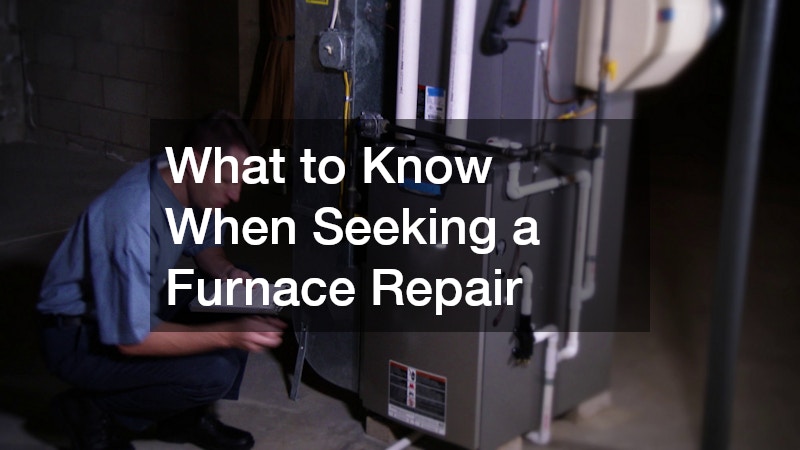
A furnace repair specialist will first perform a diagnosis to identify the problem. They use a combination of technical knowledge and diagnostic tools to pinpoint issues within your heating system. Common problems include faulty thermostats, clogged filters, and issues with ignition. By understanding the diagnostic process, you can engage more effectively with professionals and even conduct preliminary checks to identify obvious issues. Having a basic understanding can also aid you in asking the right questions and ensuring accurate service quotes.
It’s also wise to consider the potential cost of repairs. Different problems warrant different repair strategies, some of which are more expensive than others. Simple issues, such as replacing air filters, might be less costly compared to more complex internal component failures. Having a clear understanding of possible costs can help you budget for current and future repairs. It’s also beneficial to know that regular maintenance can significantly reduce the need for expensive repairs by catching potential issues early.
Choosing the Right Professional
When seeking furnace repair, choosing the right professional is crucial for effective resolution of your heating issues. A qualified and experienced professional will not only repair the furnace efficiently but also provide valuable advice on maintaining your system. Recommendations from friends and online reviews can be a helpful starting point in finding a trustworthy repair service. Always verify the credentials and certifications of any service provider to ensure they meet industry standards. Look for a professional who is responsive, knowledgeable, and provides clear explanations of the problems and solutions.
Effective communication with your chosen professional is essential. Ensure they are willing to walk you through the diagnostic process and explain their findings in layman’s terms. Understanding the problem reduces anxiety and helps manage expectations concerning repair time and costs. A reputable professional will provide a detailed estimate that includes parts, labor, and any additional fees. This transparency is a sign of a trustworthy service provider who respects their clients.
Furthermore, inquire about warranties and guarantees for the repairs and parts replaced. This provides peace of mind knowing that if the problem persists after the repair, you have a safety net. It’s important to establish a rapport with your professional for future maintenance and service needs. Practiced professionals often offer maintenance programs, which can be beneficial in extending the lifespan of your furnace. Establishing a long-term relationship with your repair professional can lead to better service and financial savings over time.
Maintenance Tips to Avoid Frequent Repairs
Routine maintenance is an effective strategy to prevent frequent furnace repairs. Regularly changing furnace filters can improve system efficiency and air quality in your home. It’s advisable to check filters monthly, especially during peak usage periods, to ensure they are clean and functioning correctly. Scheduling yearly professional inspections can also preemptively identify potential issues before they escalate into significant problems. During these inspections, technicians can clean components, check for worn parts, and make necessary adjustments for optimal performance.
In addition to professional maintenance, homeowners can undertake simple tasks to prolong the life of their furnace. Keeping the area around the furnace clean and free from debris can prevent potential blockages and improve overall circulation. Ensuring proper thermostat settings and recalibrating it if necessary can also aid in efficient furnace operation. Also, it’s important to ensure that all vents are unobstructed to enhance airflow within the home. Each of these tasks contributes to the efficient functioning of your heating system.
Another key aspect of maintenance is being aware of any unusual sounds or smells emanating from your furnace. These can be early indicators of underlying problems requiring professional attention. Timely intervention can prevent extensive damage and costly repairs down the line. Being proactive in maintenance not only saves money but also increases the safety of your home. It ensures that the furnace operates efficiently and effectively, providing warmth and comfort throughout the cold season.
Financial Considerations
One of the most significant concerns when it comes to furnace repair is the financial aspect. Repair costs vary depending on the complexity of the issue and the parts that need replacement. For instance, the cost of replacing a thermostat is generally lower than that of changing a heat exchanger. It’s essential to get multiple quotes to ensure you get the best value for your money. Comparing prices can give you insight into what constitutes reasonable repair costs and help in budgeting effectively.
Besides repair costs, consider potential energy savings after repairs. A well-maintained and efficiently operating furnace can significantly reduce monthly energy bills. Many older furnaces operate at lower efficiencies, consuming more energy to heat your home. Investing in regular maintenance and timely repairs ensures your furnace is at optimal performance, thus reducing overall energy consumption. This translates into financial savings on energy bills over time.
Furthermore, evaluate the cost-benefit of frequent repairs versus a complete replacement. If your furnace is over 15 years old and requires frequent repairs, replacing it might be more economical long-term. Newer models offer higher efficiency and advanced features that save money and improve comfort. Consult with your repair professional for recommendations on when it might be advisable to consider replacement. Planning for such eventualities ensures you make informed decisions that balance immediate costs with future savings.